
Spring for us in Philadelphia can be unpredictable: cold and wet mornings, sunny by lunch, and below freezing again for the commute home. For professionals relying on a polished image, confidence isn’t a luxury — it’s a need.
At Henry A. Davidsen, we believe strategic dressing supports not just your comfort, but your presence and performance. That means layering with intention. Garments that respond to the day’s conditions and align with your personal and professional brand.
Here is a concise guide on how to layer your appearance for maximum comfort, adaptability, and professionalism this spring.
Form Follows Function

Let us walk through each possible layer and its function:
-
Under Layer
Performance undershirts or breathable knits. Useful for especially cold mornings or high activity days. This layer should never interfere with the fit or drape of your outer garments. -
Base Layer
The bedrock of the ensemble. It should be breathable, fitted, and able to stand on its own. A crisp custom dress shirt or fine gauge merino sweater is ideal here. -
Mid Layer
This is your variable piece, often removed once indoors. Consider sport coats, suit vests, or heavier knitwear. It adds structure and style without bulk. -
Outer Layer
Designed for protection from wind and rain. Lightweight topcoats, macs, or water resistant jackets are best. Avoid heavy winter overcoats that trap heat and restrict mobility.
Each layer must add to the total look and function independently. If it does not stand on its own, it does not belong in rotation.
Fabric Matters More in Spring
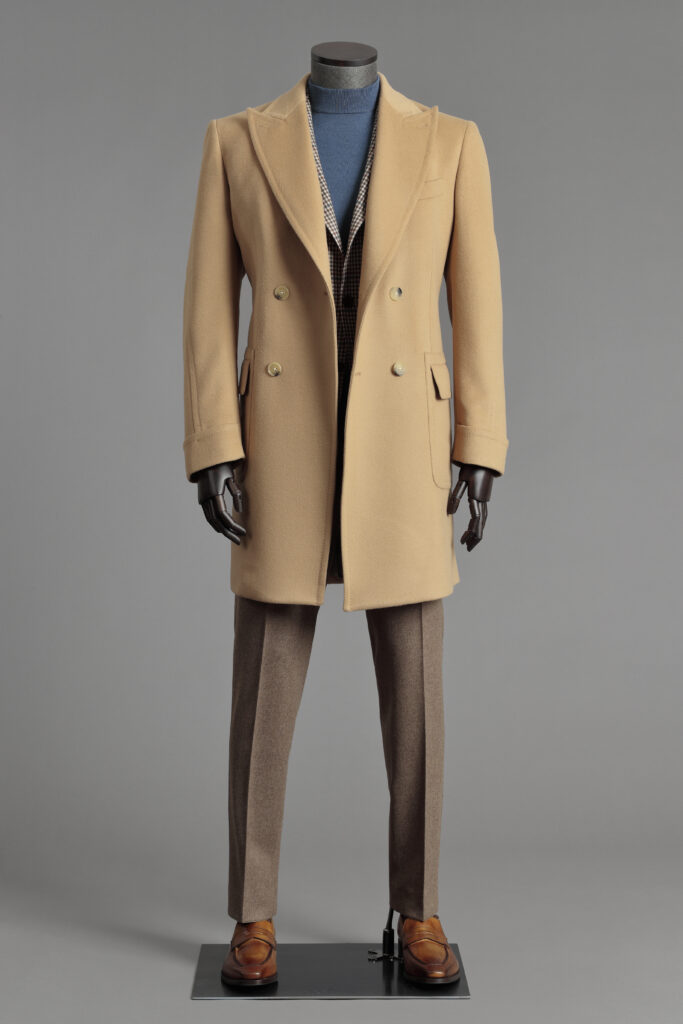
While most professionals understand layering, what often gets overlooked is fabric performance. In spring, breathable fabrics are more valuable than insulated ones. A cloth that serves you well in January might work against you in April.
Here are top performers to consider:
Medium-weight wool
Wool is naturally water-resistant and offers excellent temperature regulation. Heavier fabrics used in winter overcoats might be too much for the milder chills of spring. A medium-weight wool gives enough breathability and protection without feeling suffocating.
Cotton linen blends
A strong option for base layers or casual jackets later in the season. Airy and relaxed, but still professional. Avoid one hundred percent linen if wrinkle resistance matters to you.
Technical polyester or nylon blends
For especially rainy days, a quality synthetic blend can be useful. Look for outerwear labeled breathable and water resistant. These garments wick moisture, dry quickly, and provide protection without adding bulk.
Avoid most synthetics for inner layers. They tend to trap heat and moisture, the opposite of what you want on a brisk, humid morning.
📌 Related Post: Tips on Choosing Cloth for Custom Garments
The Importance of an Outer Layer
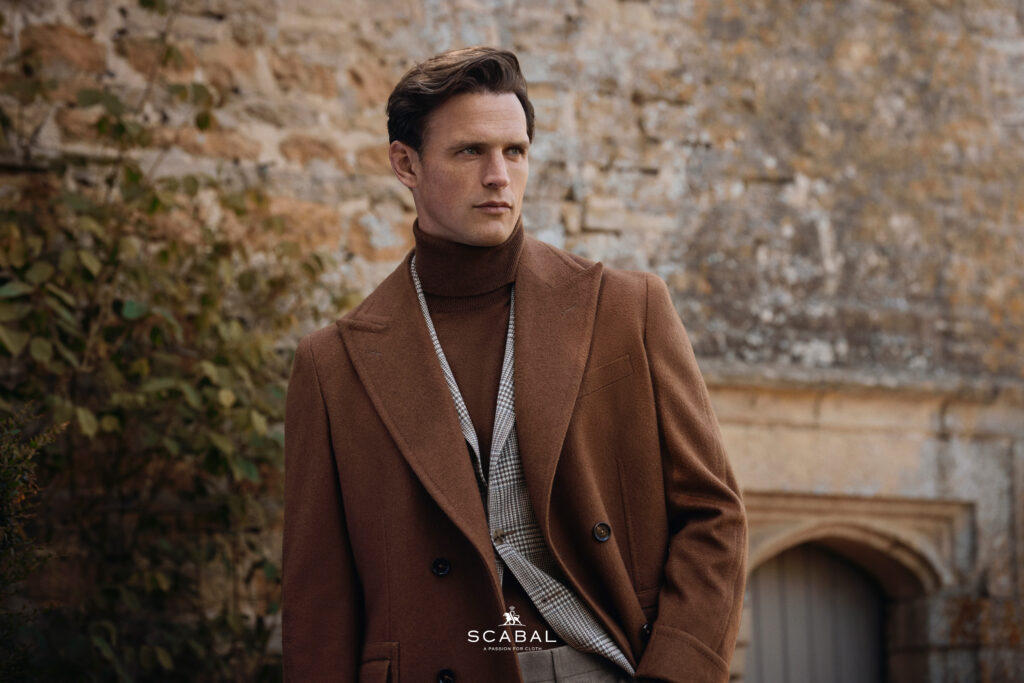
Your outer layer is more than weather protection — it’s the final visual statement of your outfit. In spring, when conditions can shift in minutes, the right coat balances function with refinement. Below are three outerwear types that deserve attention:
Car Coat
Originally designed for early motorists, the car coat was meant to offer warmth and mobility while driving open‑top vehicles. Its modern iteration is a mid‑length coat, typically falling around mid‑thigh, with a clean cut that moves easily between casual and smart‑casual settings. A car coat provides just enough coverage for cool mornings and light rains without the bulk of a winter overcoat, and layers well over suiting or knitwear alike.
Pizza Coat
The “pizza coat” is a term we use for a lighter, easy‑to‑wear casual outer layer — perfect for spring evenings and weekend plans. It’s not as heavy as traditional overcoats and is designed to be worn over sweaters or sport coats without restricting movement. Though custom overcoat guides typically reference heavier winter fabrics, the pizza coat takes that heritage and translates it into flexible spring outerwear that works with both tailored and relaxed looks.
Overcoat
Traditional overcoats are longer and more substantial than a car coat, designed to be worn over a full suit in cooler weather. While classic overcoats often serve winter wardrobes best, transitional versions in lighter wool or blends can still serve early spring days where warmth is needed. Overcoats add a dignified silhouette to tailored outfits and deliver both coverage and presence when the temperature dips.
Conclusion
Layering for spring is not about trend-chasing or excess. It’s a tool — one that balances professionalism with practicality, form with function. The right layers allow you to move through your day without adjusting your clothes or your confidence.
At Henry A. Davidsen, we build wardrobes that think as far ahead as you do — so you never have to choose between comfort and polish.
When in doubt, start with your purpose. Then layer accordingly.
Explore more insights on strategic dressing in our blog archive.