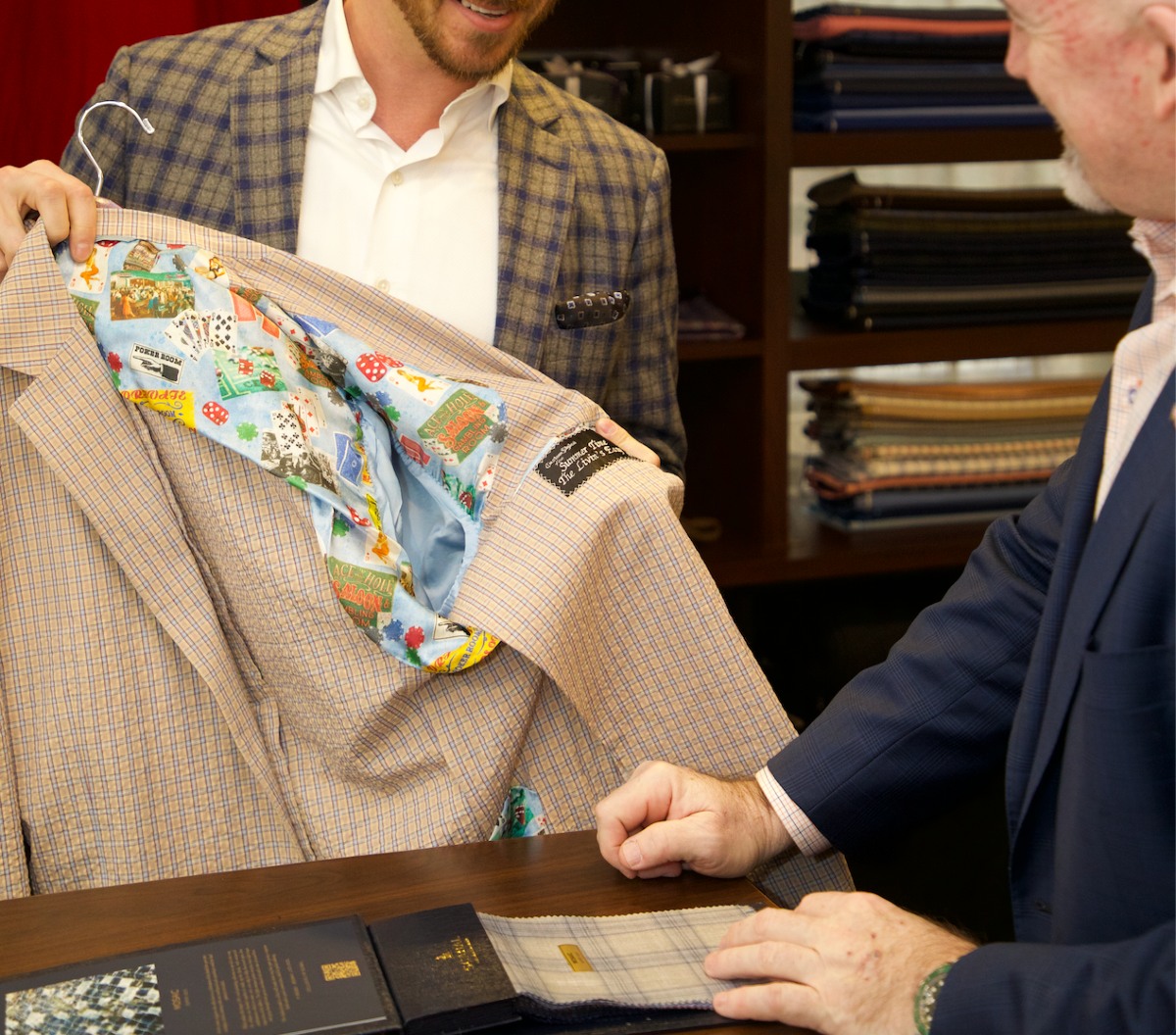
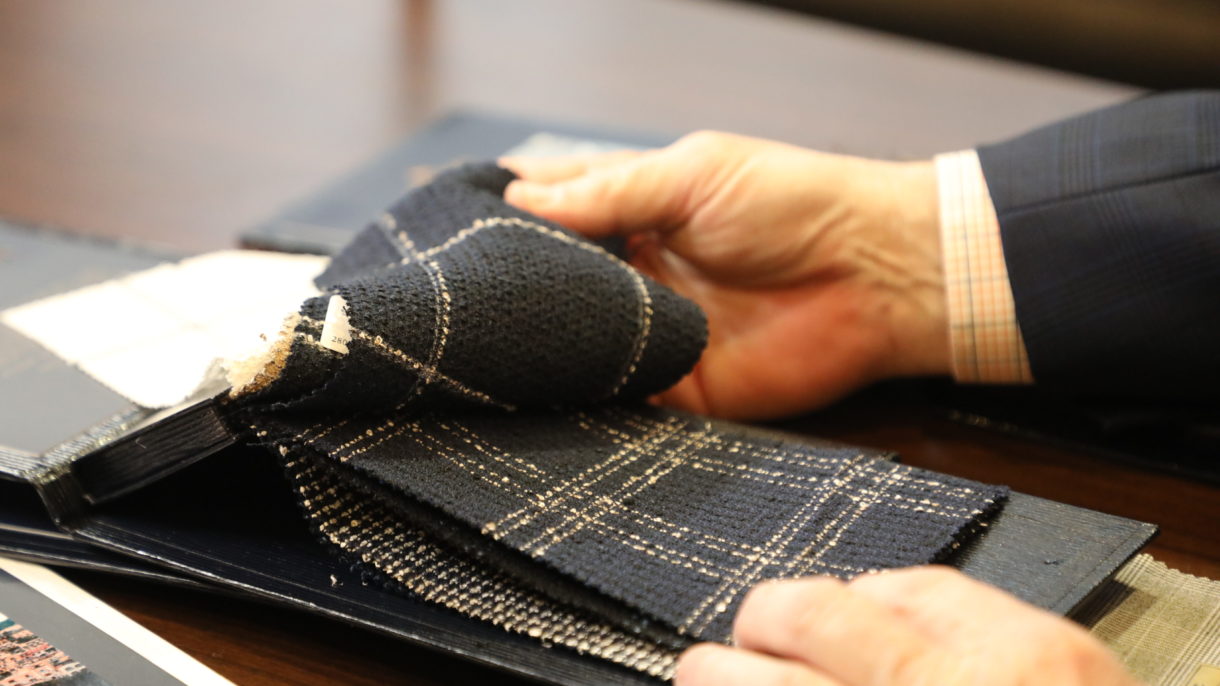
Cloth is a major factor in determining a suit’s character, seasonality, price, and overall look. Wool and cashmere are very common materials to use for custom suits, and the cloths have unique properties that make them different from one another. In this post, we’ll go over the difference between wool and cashmere.
Wool & Cashmere – Similar But Not The Same
The world of cloth is vast and varied. Luxury wool fibers often feel like cashmere, while lesser cashmeres don’t have the sumptuous handle that their higher-end wool cousins have. We’ll dive deeper below.
What is Wool?
Not to be pedantic, but just so we’re on the same page: wool comes from sheep. Herds of sheep are shorn periodically to collect the raw wool from their fleeces. In fact, it’s vital to the health of sheep that their fleeces be removed!
Wool used for fine bespoke sport jackets and custom suits is on the finer end of the quality spectrum. The best goods are made from long-filament fibers that have high levels of tensile strength (for durability) and crimp (for long-term shape retention). We carry such cloth here at the shop from various fabric mills such as Dormeuil, Scabal, and more. Explore more about choosing luxury cloth here.

While a fabric’s “super” number isn’t the be-all-end-all quality indicator many of us are trained to think it is, high-quality wool tends to start around the Super 120’s mark and scales up from there. As super numbers deal specifically with the fineness of individual fibers, we advise most men to stick around the Super 120 – Super 150 range to maximize the luxurious handle and still maintain good durability. If you want the longer version, we’ve written about what actually determines a luxury fibre and how cloth weight shapes a garment.
Wool also arrives in a lot of different finishes. Flannel, Harris Tweed, and Solaro are all wool, and they behave nothing like one another.
Generally speaking, the best suiting wool comes from sheep raised in Australia and New Zealand.
What Is Cashmere?
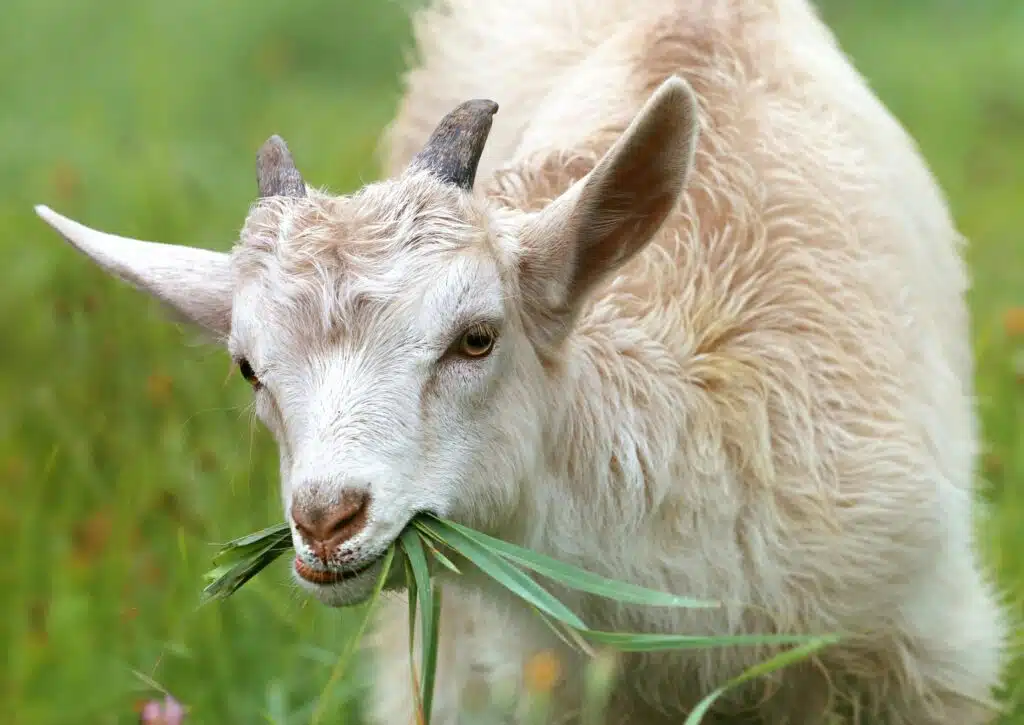
While wool comes from sheep, cashmere comes from goats: cashmere goats, pashmina goats, and some other breeds. The fibers are also referred to as “cashmere wool,” which can be confusing. A good way to think about it is that all cashmere is wool, but not all wool is cashmere. Still, cashmere is finer, lighter, softer, and offers three times the insulating properties as sheep’s wool.
The word “cashmere” itself is the Anglicized spelling of the word “Kashmir.” Similar to seersucker and madras garments, Kashmir shawls originated in India and made their way to Europe while India was still a colony of Great Britain.
Cashmere is prized for its soft, almost fluffy handle, and its warmth. Plenty of men’s garments are made from cashmere. Cashmere scarves, hats, and cashmere-lined leather gloves come to mind. One of our favorite cashmere collections at the moment is Dormeuil’s Cashmere Supreme.
Nowadays, China and Mongolia are the main producers of cashmere worldwide. Other Central Asian countries also contribute to the worldwide total, but only in small percentages compared to China and Mongolia.
Wool, Cashmere, & Bespoke Suits
In the world of custom tailoring, wool and cashmere play an important role in a cold-weather wardrobe. Wool comprises the large majority of the cloth we use for tailored garments. We often use cashmere to craft clothing when the client would like a more luxurious feel.
Wool and cashmere are available in various weights to accommodate the changing seasons. It’s true that cashmere insulates well, but it also breathes exceptionally well. Lightweight, worsted cashmere will make one of the most beautiful sport coats you’ve ever worn that you can still wear in warmer weather.
Blending is standard practice. Mills combine the two to raise the luxury of an offering without pushing the price as far as pure cashmere would. Wool-to-cashmere ratios of 90/10 and 80/20 appear across most major fabric collections. Choosing between them is one of the first conversations we have during the custom clothing process, and we’ve written separately on how to choose cloth.
Fibre is only half of what makes a garment good, though. Construction matters at least as much, which is why it’s worth knowing how to tell if a suit is high quality before you spend on cloth alone. If you’re weighing a sport coat against a suit or blazer, a lightweight cashmere or cashmere-blend is often the more versatile choice.
We keep roughly 30,000 fabrics in the shop, including a deep bench of wool-cashmere blends from Dormeuil, Scabal, and Holland & Sherry. Reading about the difference only gets you so far. If you want to feel a Super 130s wool and a 90/10 cashmere blend side by side, that’s exactly what a consultation is for.

Cashmere Sweaters vs. Wool Sweaters
If you’re choosing knitwear rather than tailoring, the calculation shifts.
Warmth for weight. Cashmere wins outright. A fine-gauge cashmere sweater will keep you warmer than a heavier wool one, which matters if you’re layering under a jacket and don’t want bulk across the shoulders.
Pilling. Cashmere’s shorter fibres work loose with friction and ball up, particularly under arms and where a bag strap sits. This is normal and not a defect. Look for two-ply or higher and a tighter spin, both of which resist it. When pills appear, use a cashmere comb rather than pulling them off, which drags fibre out of the knit.
Ply and gauge. Ply is how many strands are twisted together; gauge is how tightly it’s knitted. A two-ply, fine-gauge cashmere is a very different garment from a chunky single-ply, and the price difference usually reflects that rather than the fibre grade alone.
When a blend beats pure cashmere. Wool-cashmere blends at 90/10 or 80/20 are common for a reason. You get most of the softness with meaningfully better durability and shape retention. For a sweater you’ll wear weekly, we’d often recommend the blend over pure cashmere, and we’d tell you that before you spent the difference.
We make knitwear to measure as part of our made-to-measure sportswear, which means you can specify the ply, the gauge, and the blend rather than accepting whatever a brand decided this season.
A note on sourcing. Cashmere’s supply chain raises real questions about herd sustainability and labour, and they’re worth understanding before you buy. We covered that separately in the cashmere dilemma.

Caring for Wool and Cashmere
The two fibres want different handling, and most premature wear comes from treating them the same.
Wool wants air and rest. Hang it on a broad shoulder hanger, give it a day between wearings, and brush it rather than reaching for the dry cleaner every time.
Cashmere wants to be folded, never hung, or the shoulders will stretch. Wash it sparingly and gently, dry it flat, and store it somewhere moths can’t reach, because they prefer cashmere to almost anything else in your wardrobe.
Our full guide on how to care for a suit goes deeper on rotation, brushing, and when dry cleaning is actually warranted, which is less often than most men assume.
Your Next Garment
Whether it’s a cashmere overcoat, a wool-cashmere sport coat, or knitwear made to your measurements, the right answer depends on how you’ll actually wear it. That’s the conversation we have with every client before a single measurement is taken.
Our introductory call is fifteen minutes. We’ll talk through what you need, what it’s likely to cost, and how long it will take, with no obligation on either side.