There are a few items in the menswear canon that are more or less household names. Some examples are Nantucket reds, GTH pants, boat shoes, and others. Harris tweed is right up there, too. What is Harris tweed, and what makes it special? We’ll dive into that today.
The Short Answer
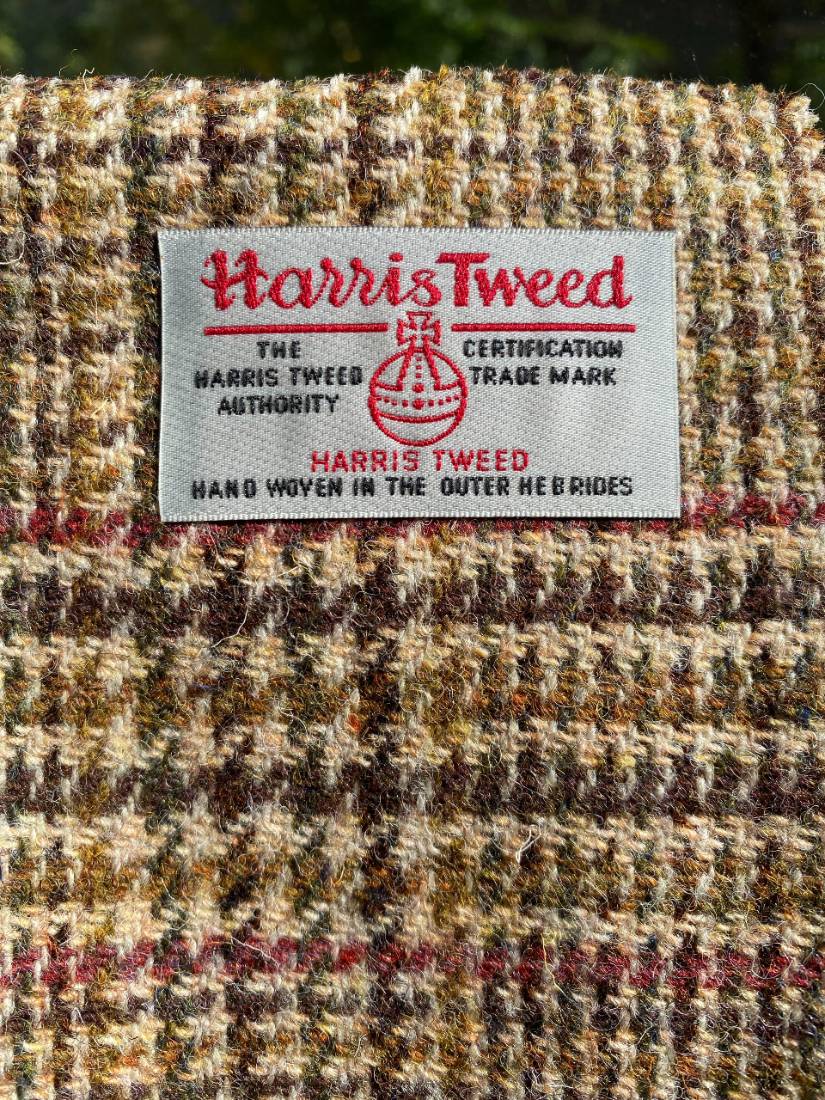
Harris Tweed is a woollen cloth handwoven by islanders at their own homes in the Outer Hebrides of Scotland, from pure virgin wool that has been dyed, spun, and finished there. The definition is set by the Harris Tweed Act 1993. Every genuine length is inspected and stamped with the Orb mark.
What Is Tweed?
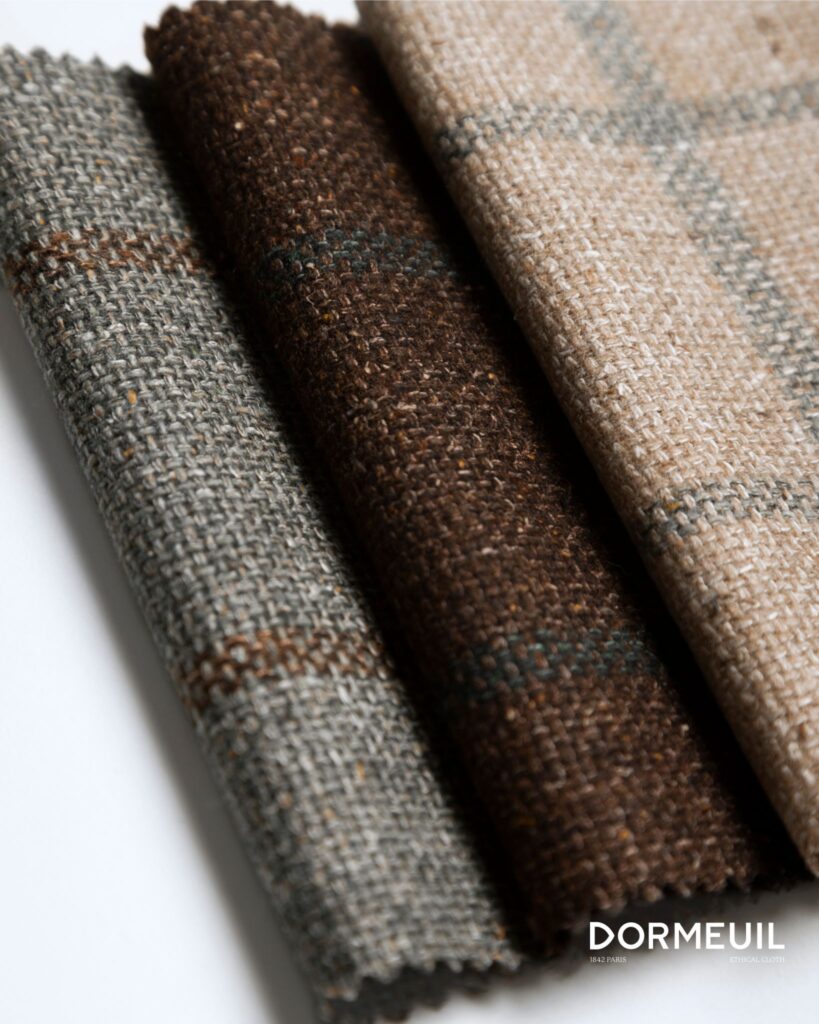
Before going too far, we need to know what tweed is. It’s simply a rough, woolen fabric with a plain, twill, or herringbone weave. Its roughness and flexibility make it perfect for unpleasant outdoor conditions. It does a great job of keeping you warm and dry when it’s cold and damp.
Tweed’s heritage is distinctly Irish and Scottish. Nowadays in Ireland, County Donegal is responsible for manufacturing most of the country’s tweed (with Donegal being a “thing” in its own right). Harris Tweed, however, comes from Scotland. More on that below.

Where Does Harris Tweed Come From?
The Outer Hebrides: a chain of islands off the northwest coast of Scotland, taking in Lewis, Harris, Uist, and Barra.
Despite the branding, most Harris Tweed is woven on Lewis rather than Harris. The two are technically one landmass divided by mountains, which is the sort of geographic detail that makes sense to everyone who lives there and nobody who doesn’t.
The weaving happens in weavers’ homes. Not a mill, not a factory floor — a shed or an outbuilding at the weaver’s own address, on a treadle loom powered by the weaver’s legs. The Act requires it. A mill-woven cloth from the same wool, in the same pattern, on the same island is not Harris Tweed.
Protected by an Act of Parliament
he Harris Tweed Act 1993 defines the cloth as:
“…handwoven by the islanders at their homes in the Outer Hebrides, finished in the Outer Hebrides, and made from pure virgin wool dyed and spun in the Outer Hebrides.”
Three separate requirements, all of which must hold. Wool spun on the mainland disqualifies it. Machine weaving disqualifies it. Finishing elsewhere disqualifies it.
Legislation is an unusual way to protect a fabric, and it exists because the cloth was worth counterfeiting. By the late nineteenth century Harris Tweed had a reputation that outran its supply, which is the precise condition under which imitations appear.
How it got famous in the first place
Credit generally goes to Lady Dunmore, the Countess of Dunmore, who in the 1840s began promoting cloth woven on her late husband’s Harris estate to her circle in London. Aristocratic patronage did what aristocratic patronage does. Within a generation, the cloth had a market well beyond the islands.

How Harris Tweed Is Worn
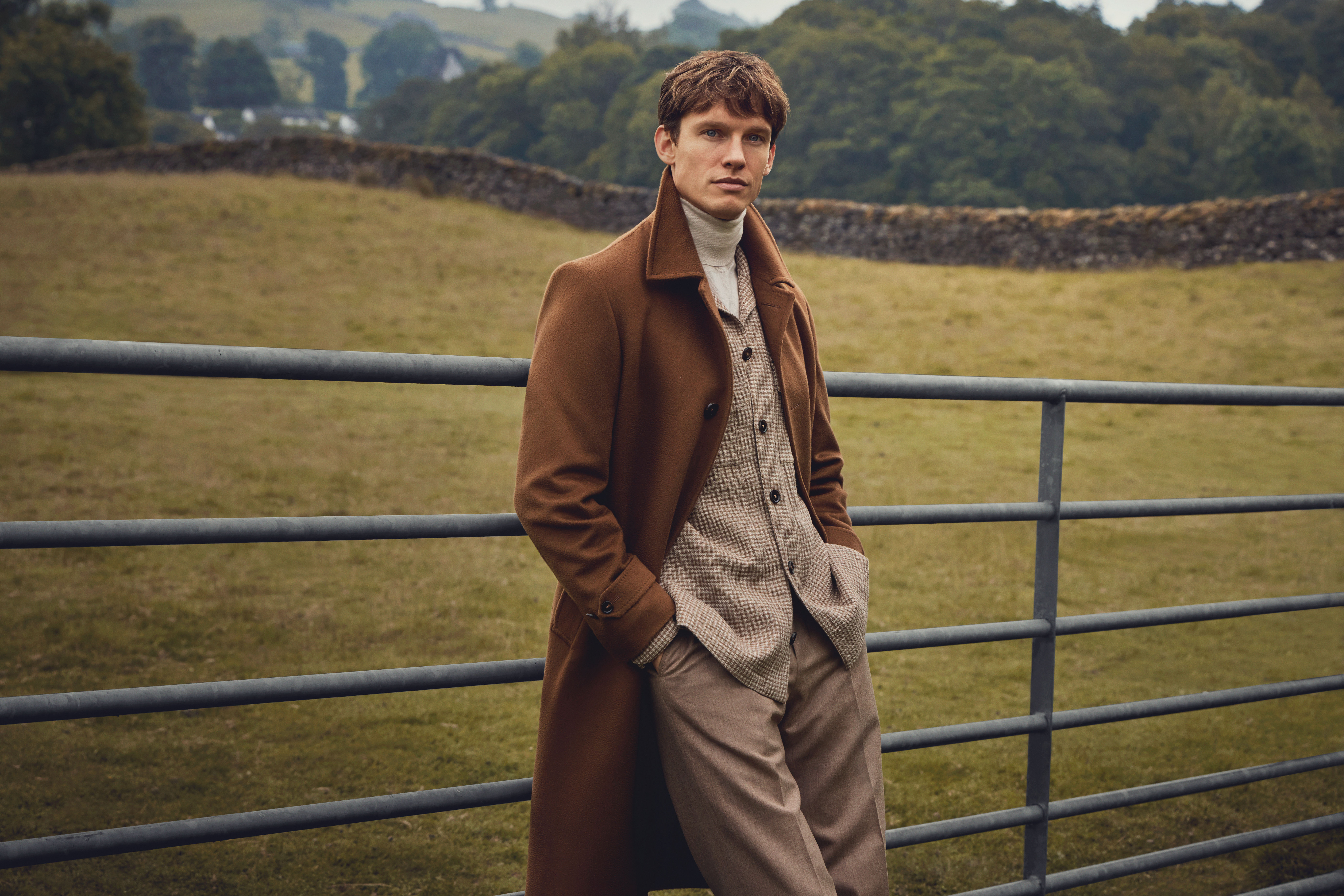
Traditionally, this was the uniform of British country pursuits: shooting, fox hunting, golf, cycling. The Norfolk jacket, which you rarely see now, was tweed. Men paired them with plus-fours, back when men wore plus-fours.
Today you’ll mostly encounter tweed as sport jackets, odd waistcoats, and caps. It’s too coarse for trousers unless fully lined, which we’ll do on custom trousers if a client asks. A tweed shirt is a non-starter for the same reason, and anyone who tells you otherwise has never worn one.
Building an Outfit Around It
Tweed is heavy and casual, so pair it with things of similar heft and informality. Weight wants to talk to weight.
Trousers. Custom denim never misses. Corduroy is the classic answer and pairs exceptionally well. Cavalry twill and thick brushed cotton both work.
Knitwear. A chunky custom sweater is the natural partner. Cable knits and heavily ribbed cardigans make visual sense against tweed in a way fine merino doesn’t.
Shoes. Go casual and textured. Suede mirrors the nubby surface of the cloth. Lug-sole chukkas or anything on a Dainite sole is right. A polished oxford under tweed looks like it wandered in from a different outfit.
The principle underneath all of this: tweed is a country cloth pretending to live in a city. Dress it accordingly and it looks intentional. Dress it up and it looks confused.

In Conclusion
Harris Tweed rewards a bit of thought. Get the weight right and it becomes the jacket you reach for every October for the next twenty years. Get it wrong and it hangs in the closet looking handsome and unworn. Those decisions are far easier with the cloth in your hands than on a screen. When you’re ready, book a fifteen-minute consultation, and we’ll tell you honestly if what you want isn’t what you need.