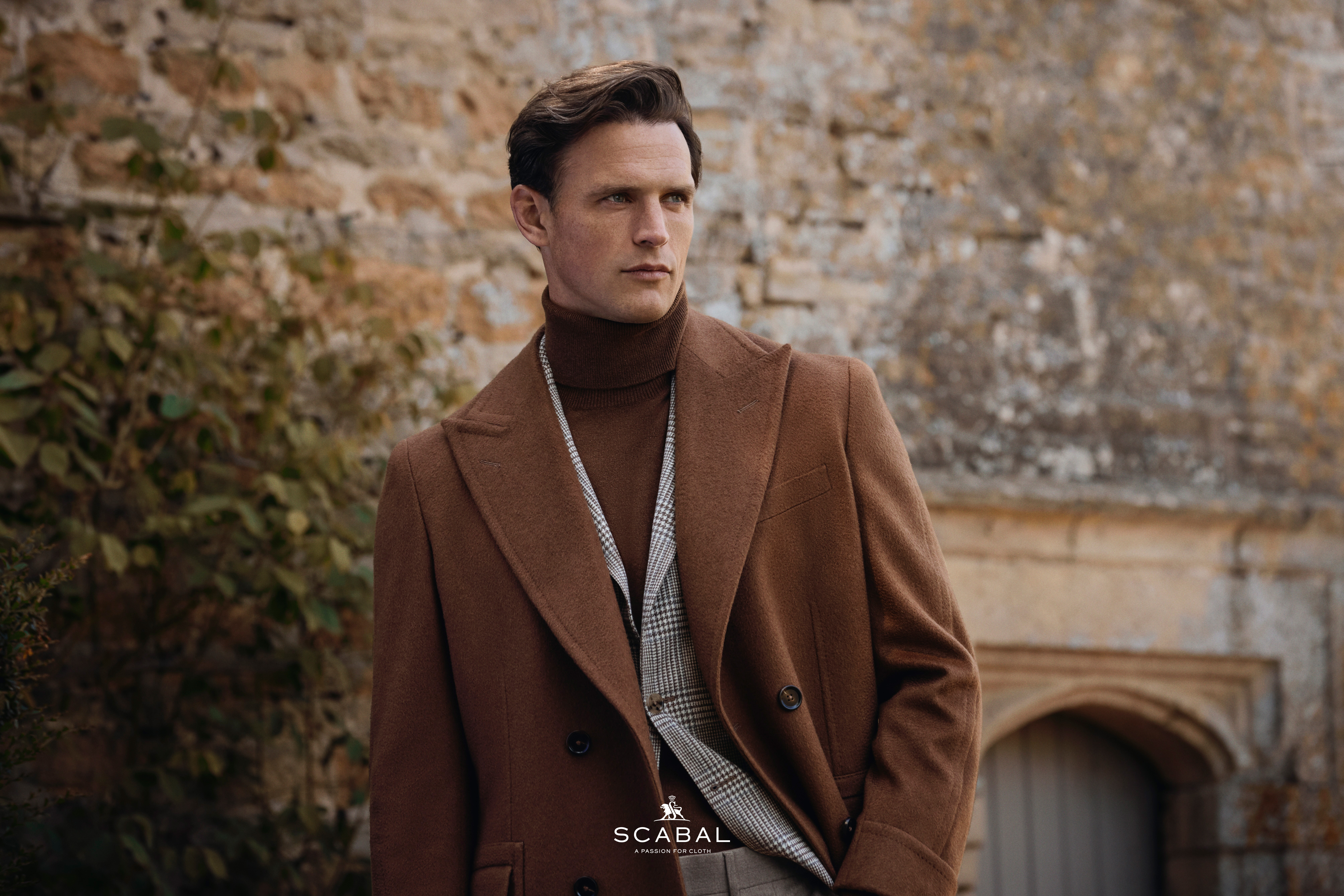
The best time to order an overcoat depends on how it’s made. For made-to-measure, plan on 8 weeks. For a first bespoke commission, 10 to 12 weeks. For a repeat bespoke client with a pattern already on file, 6 to 8 weeks. In every case, the number is counted backward from the day you actually want it on your shoulders, not from the first cold morning that reminds you it’s needed.
That range isn’t arbitrary. It’s the math of how a proper coat gets made: cloth sourced, pattern drafted, canvas built, a first fitting to check the drape, adjustments, a second fitting, and final finishing. A repeat bespoke client skips the pattern-drafting stage entirely, which is where most of that extra time goes. A first-time bespoke client doesn’t have that shortcut yet. It’s a version of the same rule we lay out for custom clothing generally, just with a longer runway for the overcoat, because it’s the piece with the least room for error.
Why the Overcoat Sets the Clock
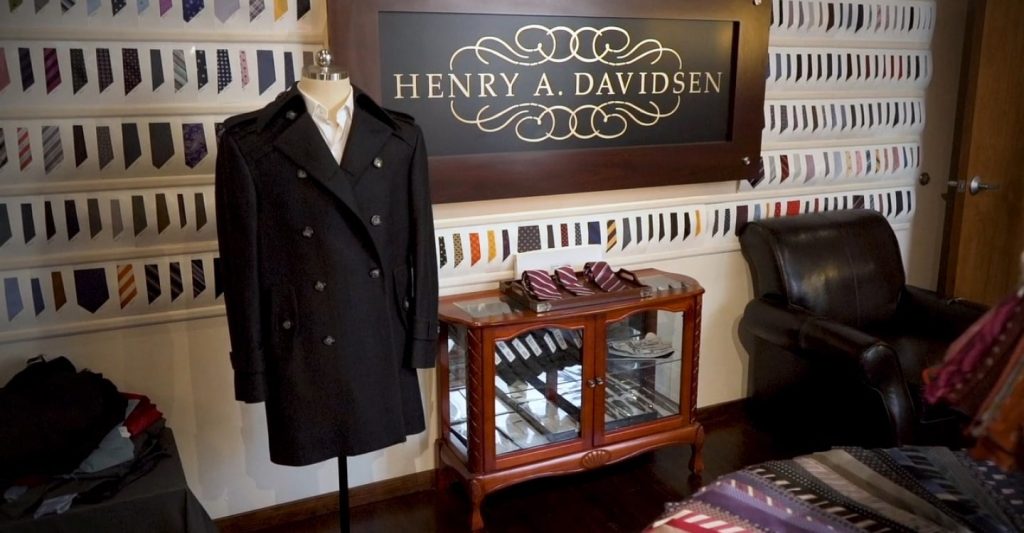
A suit hides its shortcuts under a jacket you might unbutton. An overcoat has nowhere to hide. It’s the last thing you put on and the first thing everyone sees, which is exactly why we spend so much time on fabric, fit, and styling before a single cut is made, and why the process differs depending on where you’re starting from.
Made-to-measure starts from a standard block adjusted to your measurements, so the pattern work is faster — 8 weeks covers cloth selection, cutting, a fitting, and finishing. A first bespoke commission starts from nothing: a unique pattern is drafted from scratch, refined across two fittings, and only then finished, which is where the extra month comes from. Once that pattern exists, it’s kept on file. A repeat bespoke client is really just re-cutting a known pattern in new cloth, which is why the timeline shortens back down to 6 to 8 weeks.
Heavier cloths add their own pressure regardless of process. A 20 to 24 oz. melton or a wool-cashmere blend needs more careful shaping to hang correctly, and mills carrying the good stuff run lower on stock as the season turns. Order in November and you’re not choosing a coat anymore, you’re choosing whatever’s left.
The Winter Wardrobe Timeline
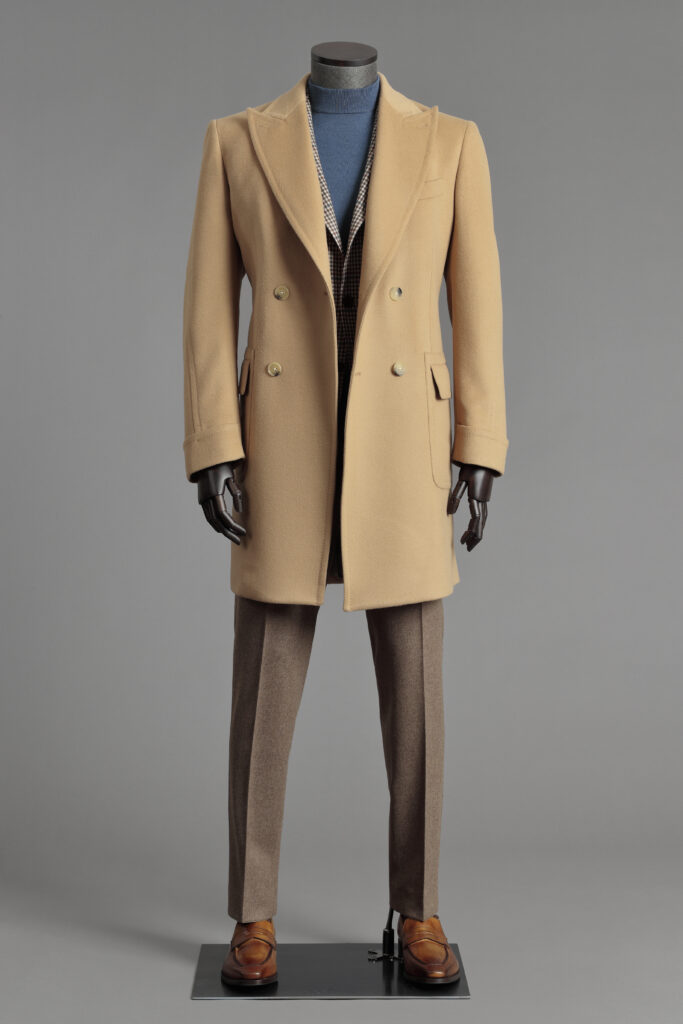
Overcoats have the longest runway in a winter wardrobe, but everything else follows the same logic, just with its own margin — the fuller breakdown is in our guide to seasonal ordering timelines, but the short version is this:
- Overcoats & topcoats: 10–12 weeks for a first bespoke commission, 6–8 weeks for a repeat bespoke client, 8 weeks for made-to-measure.
- Heavier wool or flannel suits: 8–10 weeks. Fewer moving parts than a coat, but still built, not assembled.
- Velvet or formal dinner jackets: 10–12 weeks, more if it’s for a specific event with a hard date attached.
- Cold-weather sport coats: 8 weeks. Slightly more forgiving, but not a last-minute proposition.
- Flannel trousers and heavier shirting: 6–8 weeks, and the easiest to fold into a larger order without adding real delay.
The pattern is simple: the more structure a garment demands, the earlier it needs to start. If you’re building out several pieces for the season, start with the overcoat.
Counting Backward From Cold: A Philadelphia Example
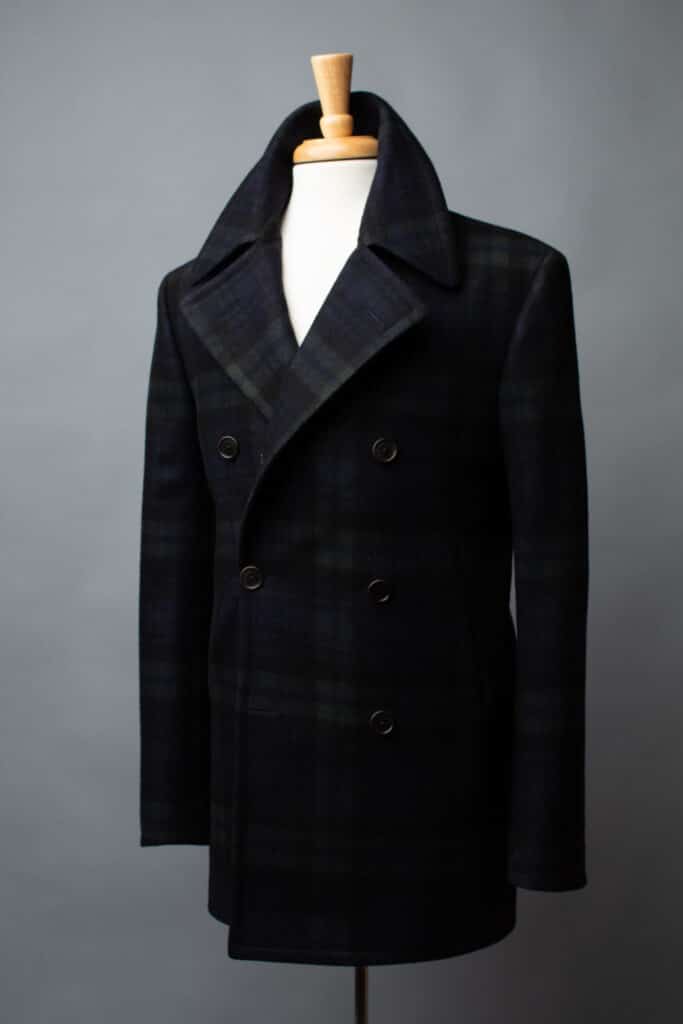
It usually starts to get cold in Philadelphia by the end of October. Working backward from that date:
First bespoke commission: order by early-to-mid August (10–12 weeks out).
Made-to-measure: order by early September (8 weeks out).
Repeat bespoke client: order by early-to-mid September (6–8 weeks out).
Add a holiday deadline, a trip, or a specific event, and every one of those dates moves earlier still. Order later than that, and a few things happen, none of them good: cloth options shrink to whatever’s in stock, fittings get compressed or skipped, and if the coat is meant for something specific, you’re now negotiating with a calendar that has no interest in negotiating back. We’d rather tell a client in August that there’s plenty of time than tell one in November that we’re doing what we can.
The Simple Rule
If you take nothing else from this: think about your overcoat while it’s still warm enough to leave it in the closet. Whether that means 6 weeks or 12 depends on your process, but in every case, it’s counted backward from the cold, not forward from the moment you notice it. Everything after that window closes is catching up.
Ready to start? Schedule a consultation with our Philadelphia showroom, and explore what bespoke tailoring can offer — we’ll build the timeline, and the coat, around the season you’re actually planning for.